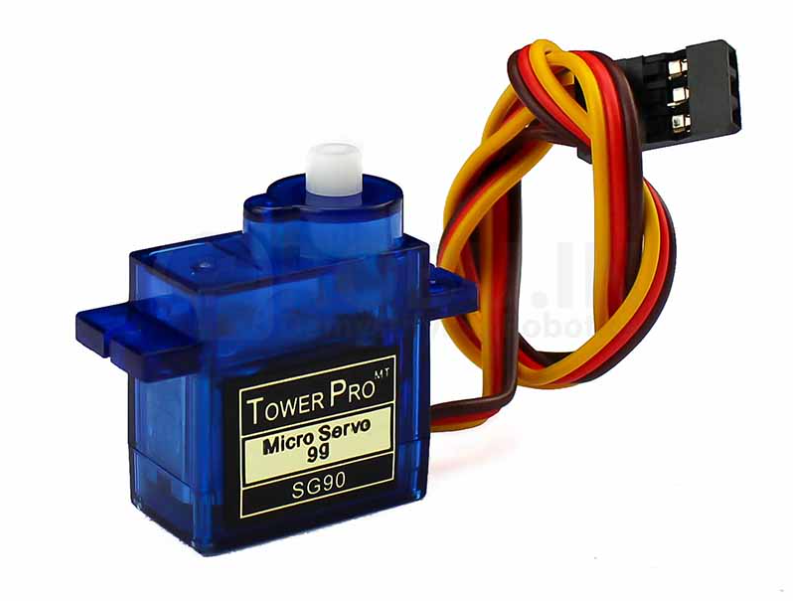
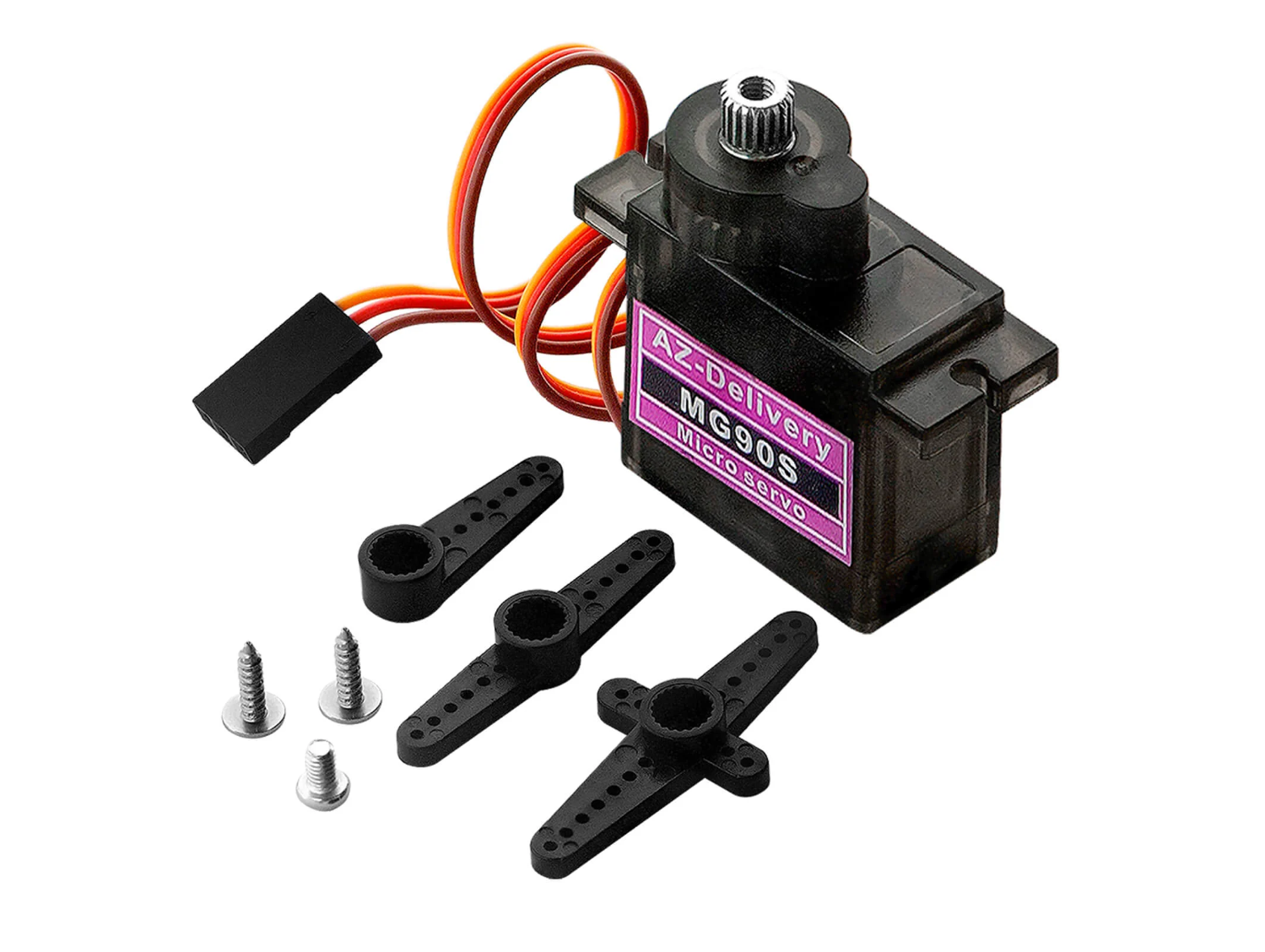
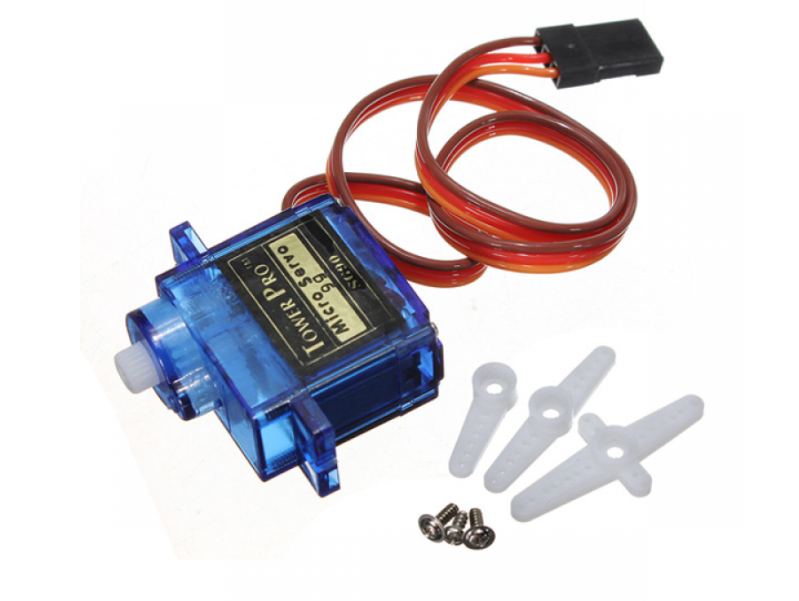
Servo Motors
Key Info
| Closed-Loop Precision | : | Uses internal sensors and feedback circuitry to achieve exact positioning and maintain constant speed under varying loads. |
| High Torque-to-Size Ratio | : | Equipped with internal metal or plastic gear trains that allow small motors to hold significant weight or resist external pressure at a specific angle. |
| Flexible Motion Ranges | : | Available in $180^{\circ}$ (Positional) models for specific angles or Continuous Rotation models for high-torque driving power. |
| Plug-and-Play Integration | : | Standardized 3-wire interface (Power, Ground, and Signal) makes them compatible with most industrial controllers and microcontrollers like Arduino and PLC systems. |
Refined Description: High-Precision Servo Motors
A Servo Motor is a sophisticated, high-performance actuator designed specifically for applications where precision is the absolute priority. Unlike standard motors that simply spin when power is applied, a servo motor operates on a closed-loop feedback system. It consists of a motor coupled with a sensor (usually an encoder or potentiometer) that constantly reports its exact position back to a controller. This allows the motor to make minute adjustments to reach and maintain a specific angle, velocity, or acceleration with extreme accuracy.
These actuators are the "muscles" behind modern robotics, CNC machinery, and automated manufacturing. Their ability to hold a position against external force—thanks to high-torque internal gearing—makes them indispensable for tasks like steering remote-controlled vehicles, adjusting camera gimbals, or moving robotic arms. Whether you are using a compact micro-servo for a delicate electronic prototype or a heavy-duty industrial servo for a factory line, these motors provide the precise mechanical movement necessary for complex automation.