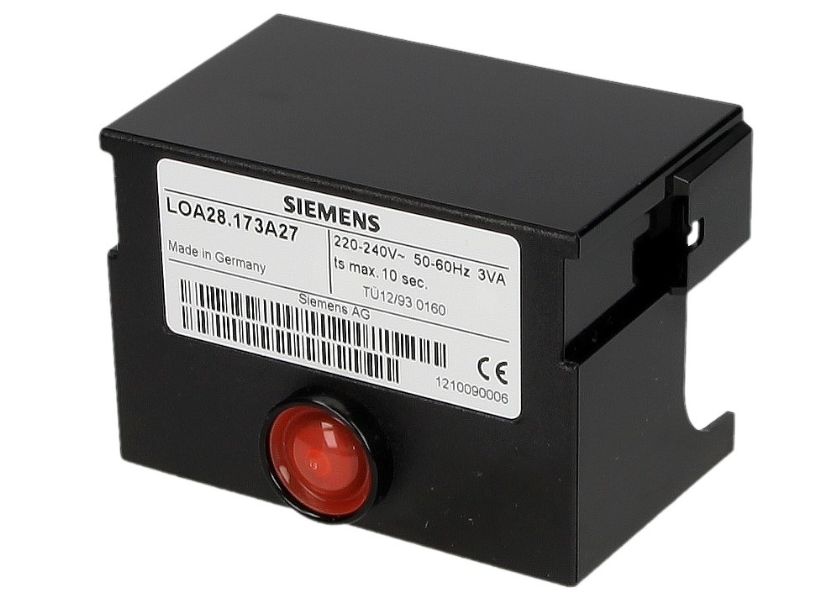
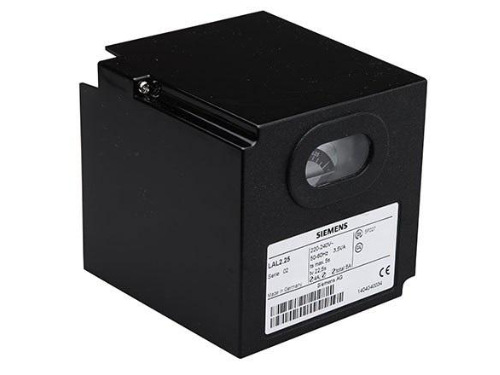
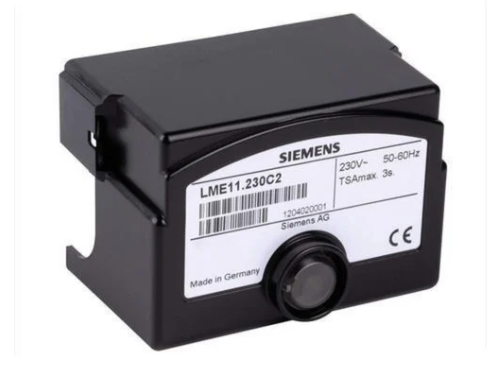
A Boiler Controller serves as the sophisticated "command center" of an industrial or commercial steam system. Its primary role is to harmonize complex variables—such as fuel-to-air ratios, feedwater levels, and steam pressure—into a single, optimized operation. By utilizing advanced logic, these controllers ensure that the boiler responds dynamically to fluctuating steam demands, moving away from wasteful "on/off" cycles toward high-precision modulation.
Beyond simple regulation, modern boiler controllers act as a critical safety and diagnostic layer. They continuously monitor for hazardous conditions, such as low water levels or flame failures, and can execute emergency shutdowns in milliseconds to protect personnel and equipment. Equipped with data-logging capabilities and industrial communication protocols (like Modbus or BACnet), these systems allow operators to track efficiency trends, manage multiple boiler sequences, and even oversee operations remotely. Whether managing a high-pressure industrial water-tube boiler or a commercial heating array, a robust controller is the key to minimizing fuel consumption, reducing carbon emissions, and maximizing the lifespan of the boiler.